
Few garments are as closely associated with harsh winters, military service, and Soviet history as the Bekesha. Heavy, warm, and instantly recognizable, this remarkable winter coat became a symbol of endurance during some of the coldest decades of the twentieth century. Today, original Soviet Bekesha coats are prized by collectors around the world, but their story begins long before the creation of the USSR.
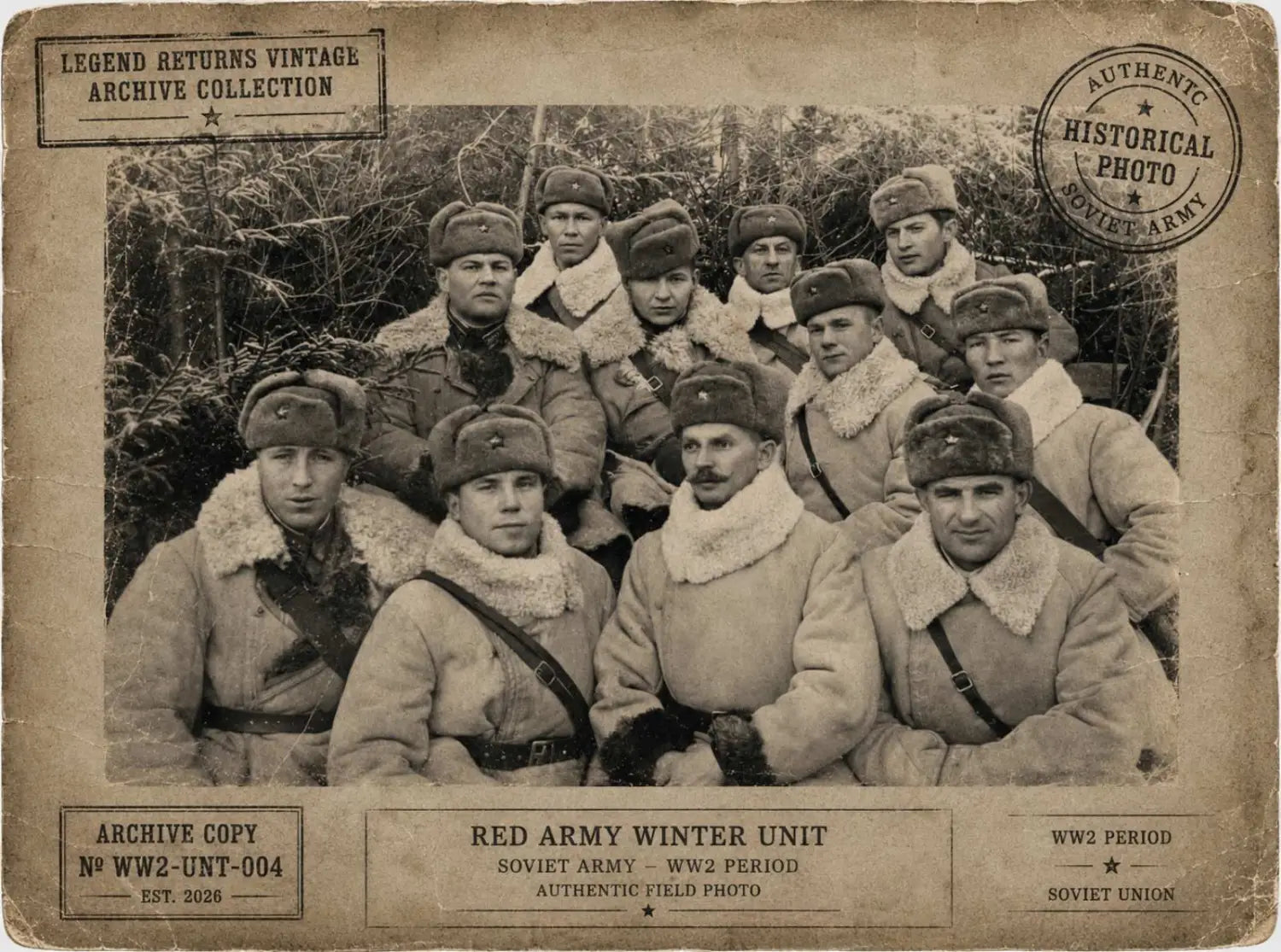
The origins of the Bekesha can be traced back several centuries to Eastern Europe, where fur-lined outer garments were essential for survival during long winters. In an era before modern insulation and synthetic fabrics, people relied on natural materials to protect themselves from freezing temperatures. Fur-lined coats became common among nobles, cavalrymen, travelers, and military personnel who spent extended periods outdoors.
Over time, one particular style of winter overcoat gained popularity across parts of Eastern Europe. Known for its practical construction and exceptional warmth, it gradually evolved into what became known as the Bekesha. The garment combined functionality with a distinctive appearance, making it suitable for both military and civilian use.
As military organizations expanded throughout Eastern Europe during the nineteenth century, warm winter clothing became increasingly important. Armies operating in regions with severe winters required garments that could withstand snow, wind, and freezing temperatures while remaining durable enough for daily service. Fur-lined coats similar to the Bekesha became valuable pieces of military equipment rather than simple items of clothing.
The twentieth century brought enormous political and social changes to Eastern Europe. Following the formation of the Soviet Union in 1922, military equipment and uniforms underwent significant standardization. The vast territory of the USSR stretched across multiple climate zones, from relatively mild regions to some of the coldest inhabited places on Earth. Ensuring that personnel could operate effectively during winter became a critical logistical challenge.
Winter conditions across the Soviet Union could be unforgiving. Temperatures in many regions regularly dropped far below freezing. Snowstorms, strong winds, and long periods of cold weather created constant challenges for military personnel, transportation networks, and civilian life. In such conditions, reliable winter clothing was not a luxury but a necessity.
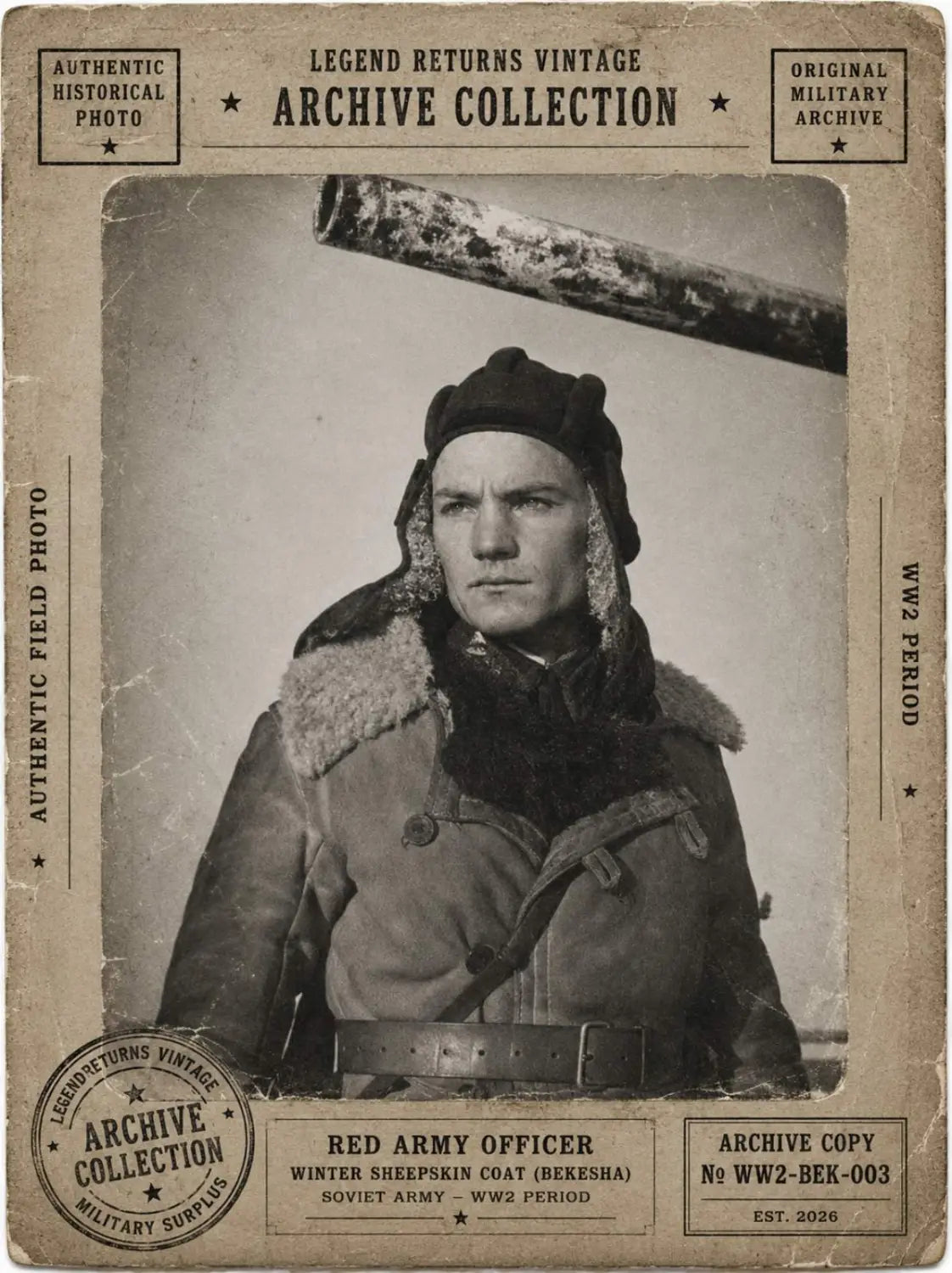
The Soviet military gradually adopted and refined various forms of cold-weather clothing designed to meet these demands. Among them, the Bekesha emerged as one of the most respected and recognizable winter garments. Combining traditional concepts with Soviet manufacturing methods, it offered exceptional protection against the cold while maintaining durability and practicality.
Unlike lighter winter jackets, the Bekesha was designed for serious winter conditions. Its construction emphasized insulation, heat retention, and long-term reliability. Thick materials and warm natural lining helped create a coat capable of providing comfort even during extended exposure to severe weather. For many personnel, the Bekesha represented one of the most dependable pieces of winter equipment available.
By the middle decades of the twentieth century, the coat had become strongly associated with Soviet military winter dress. Officers and personnel stationed in cold regions often relied on garments of this type during daily service. Photographs from the Cold War period frequently show Soviet personnel wearing heavy winter coats that reflected decades of experience operating in challenging climates.
The Cold War placed unique demands on the Soviet military. Large numbers of personnel served across vast territories that included forests, mountains, northern regions, and remote border areas. Winter preparedness became an essential component of military readiness. Clothing such as the Bekesha played an important role in helping personnel perform their duties during difficult weather conditions.
Beyond its practical function, the coat gradually became a symbol of authority, experience, and service. Its distinctive appearance made it immediately recognizable. Unlike many modern garments designed primarily for appearance, the Bekesha earned its reputation through performance. It existed because it solved a real problem: keeping people warm during severe winters.
One reason collectors appreciate the Bekesha today is the quality of its construction. Soviet manufacturers often designed military clothing with durability in mind. Garments were expected to withstand years of use rather than a single season. As a result, many surviving examples continue to demonstrate impressive craftsmanship decades after they were produced.
The coat also reflects the broader story of Soviet logistics and manufacturing. Producing winter clothing for a country that stretched across eleven time zones required enormous industrial resources. Every coat represented not only a garment but also part of a vast system designed to equip millions of people living and working in challenging environments.
For historians, the Bekesha offers insight into everyday life during the Soviet era. While tanks, aircraft, and military technology often dominate discussions of Cold War history, clothing tells a different story. Uniforms and winter garments reveal how ordinary personnel lived, worked, and adapted to the realities of their environment.
As the Soviet Union approached its final decades, the Bekesha remained a familiar sight throughout many parts of the country. It continued to symbolize reliability, warmth, and practicality. Even as new materials and designs appeared, traditional winter garments retained their value because they had proven themselves over many years of service.
The collapse of the Soviet Union in 1991 marked the end of an era, but it did not end interest in Soviet military history. Over the following decades, collectors, museums, filmmakers, reenactors, and vintage enthusiasts began searching for authentic artifacts connected to the USSR. Among winter garments, the Bekesha quickly became one of the most desirable pieces.
Today, finding an original Soviet Bekesha in preserved condition is becoming increasingly difficult. Many examples were heavily used, while others disappeared over time. Surviving coats provide a tangible connection to the Cold War era and to the people who wore them during some of the harshest winters of the twentieth century.
An authentic example of this historic Soviet winter coat can be viewed here:
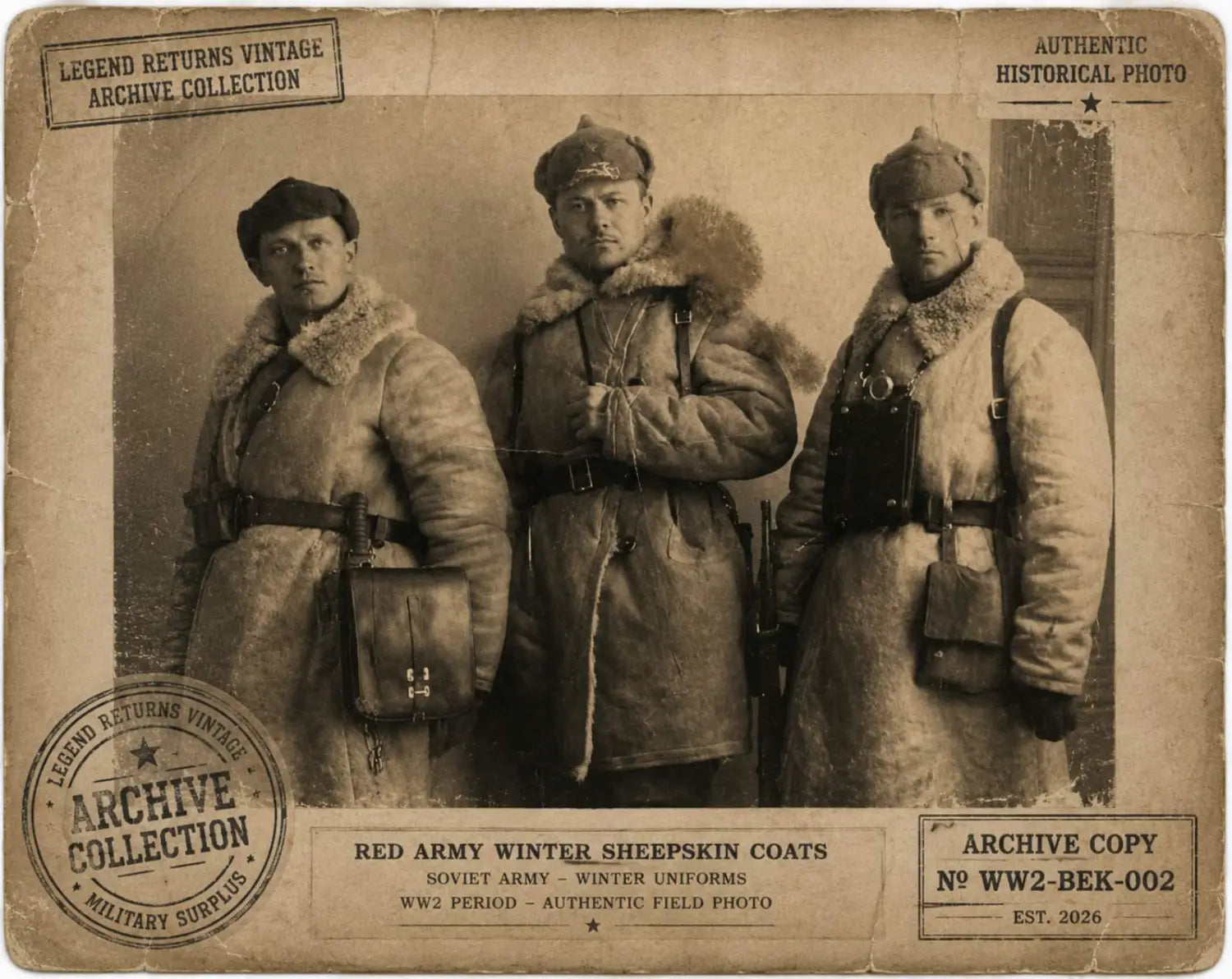
Collectors searching for genuine Soviet-era uniforms and historical winter clothing often discover remarkable preserved pieces through Legend Returns Vintage, where original artifacts continue to find new homes among enthusiasts around the world.
The enduring appeal of the Bekesha goes beyond military history. It represents craftsmanship, practicality, and a way of life shaped by climate, geography, and historical circumstances. Every surviving coat carries traces of the era that produced it and the individuals who relied upon it.
Decades after the Soviet Union disappeared from the map, the Bekesha remains one of the most recognizable and respected winter garments associated with the USSR. It stands as a reminder of long winters, dedicated service, and the importance of equipment designed to withstand nature at its most unforgiving.
For collectors, historians, and admirers of Soviet heritage, preserving these garments means preserving a piece of history itself. Long after the snow has melted and the generations that wore them have passed, original Bekesha coats continue to tell their story.
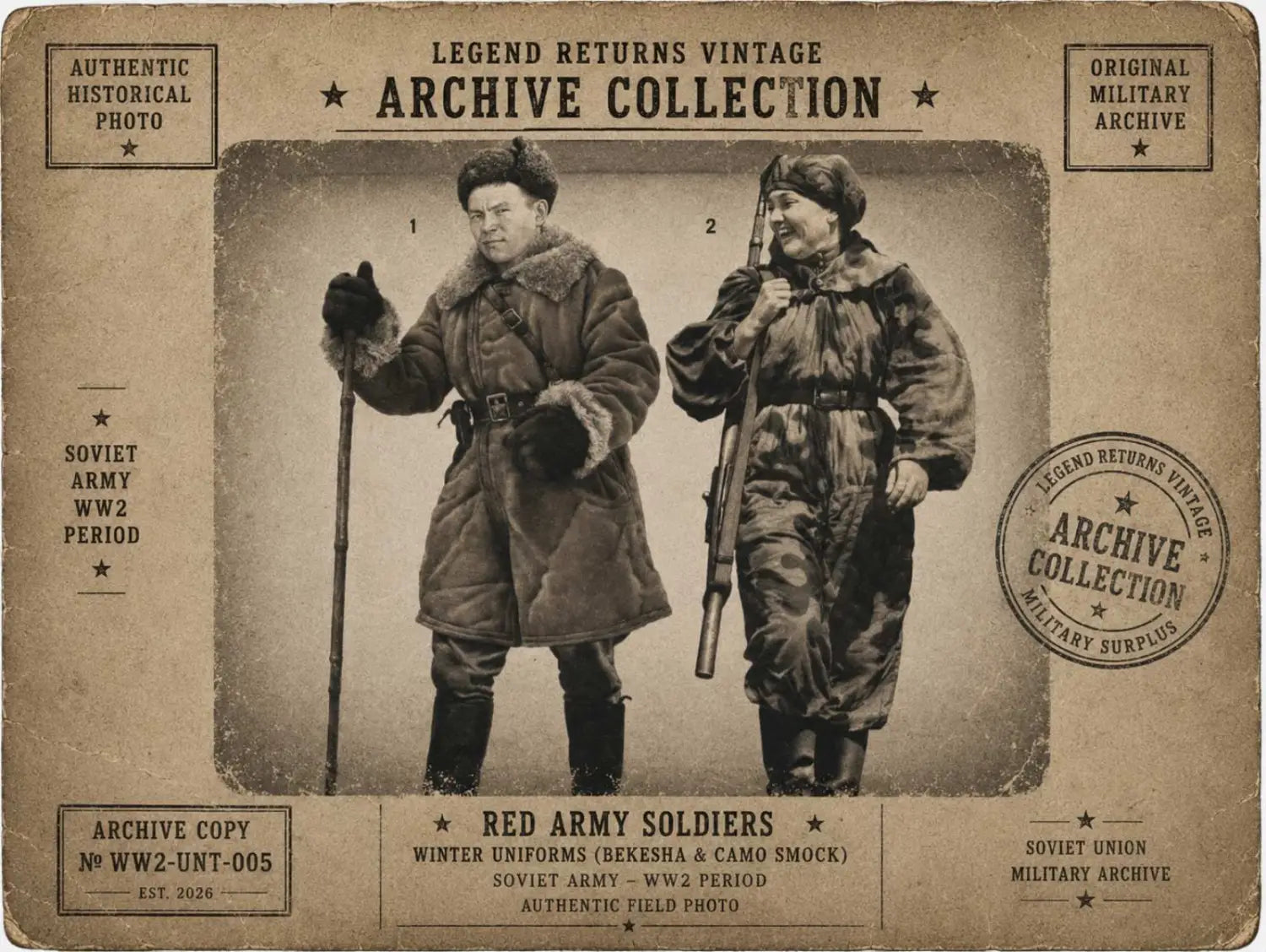
✦ Preserve History. Own a Piece of the Past. ✦
Discover authentic Soviet militaria at Legend Returns Vintage.
Carefully selected historical items for collectors, reenactors, museums, film productions, and vintage enthusiasts worldwide.